Key Takeaways
- Varicose veins are swollen, twisted veins, usually in the legs, caused by weak valves inside the veins. Ayurveda correlates them with Siraja Granthi, linked to aggravated Vata affecting the veins and blood.
- Varicose veins treatment in Ayurveda may include supervised leech therapy, medicated oils, internal medicines, diet and lifestyle care, chosen after an individual assessment.
- Ayurveda can support symptom relief, but it cannot reverse damaged vein valves. Leg ulcers, bleeding veins or a painful, swollen calf need prompt medical care.
Aching, heavy legs, and bulging veins are common, especially for people who stand for long hours at work. Varicose veins are usually not serious, but they can cause discomfort and occasionally lead to complications. Many people look for gentle, supportive options alongside medical care, and varicose veins Ayurveda care aims to ease symptoms and support circulation.
At Back to Roots Ayurveda, an Ayurvedic retreat in Kerala, treatment begins with a detailed consultation. This guide explains what varicose veins are, how Ayurveda approaches them, which therapies and oils are used, and when you need a vascular specialist.
What Are Varicose Veins?
Varicose veins are widened veins that look swollen, twisted or lumpy under the skin, most often on the legs. They develop when the small one-way valves inside the veins stop working properly, so blood collects and stretches the vein. They differ from thread or spider veins, which are small and usually harmless.
Common Symptoms of Varicose Veins
- Bulging, blue or dark purple veins on the legs
- Aching, heaviness or tiredness in the legs
- Swollen ankles or feet
- Itching, dry or discoloured skin over the veins
- Night-time cramps or throbbing
Symptoms are often worse after long periods of standing or in warm weather, and ease when you rest with your legs raised.
Causes and Risk Factors of Varicose Veins
- A family history of varicose veins
- Increasing age
- Being a woman, and pregnancy
- Being overweight
- Jobs that involve standing or sitting for long periods, such as teaching, nursing or retail
- Smoking
How Does Ayurveda Approach Varicose Veins Treatment?
Ayurveda treatment for varicose veins focuses on calming aggravated Vata, clearing congested blood (Rakta), easing heaviness and swelling, and supporting circulation. The plan combines local therapies, internal medicines and lifestyle changes, adjusted to each person.
Ayurvedic Perspective on Varicose Veins
Classical texts describe Siraja Granthi (also called Siragranthi), meaning a knot-like swelling of the veins. Acharya Sushruta and Vagbhata link it to Vata, aggravated by factors such as excessive standing, strain and irregular routines, which dries and constricts the vein walls and lets blood stagnate. Some texts also use the term Kutila Sira, meaning tortuous veins.
Common Ayurvedic Therapies Used for Supportive Care
Leech therapy (Jalaukavacharana) is one of the most widely used Ayurvedic therapies for varicose veins. Medicinal leeches are applied near the affected veins under supervision to ease congestion, swelling, heaviness and skin changes. A small study in the Indian Journal of Medical Research found it helped ulcer healing and reduced swelling in 20 patients with complicated varicose veins. Siravyadha, a controlled bloodletting method, may be used in selected cases, and a 2025 study from a Kerala Ayurveda college reported symptom relief after it. Both are avoided in people with anaemia or bleeding disorders, those taking blood thinners, and during pregnancy.
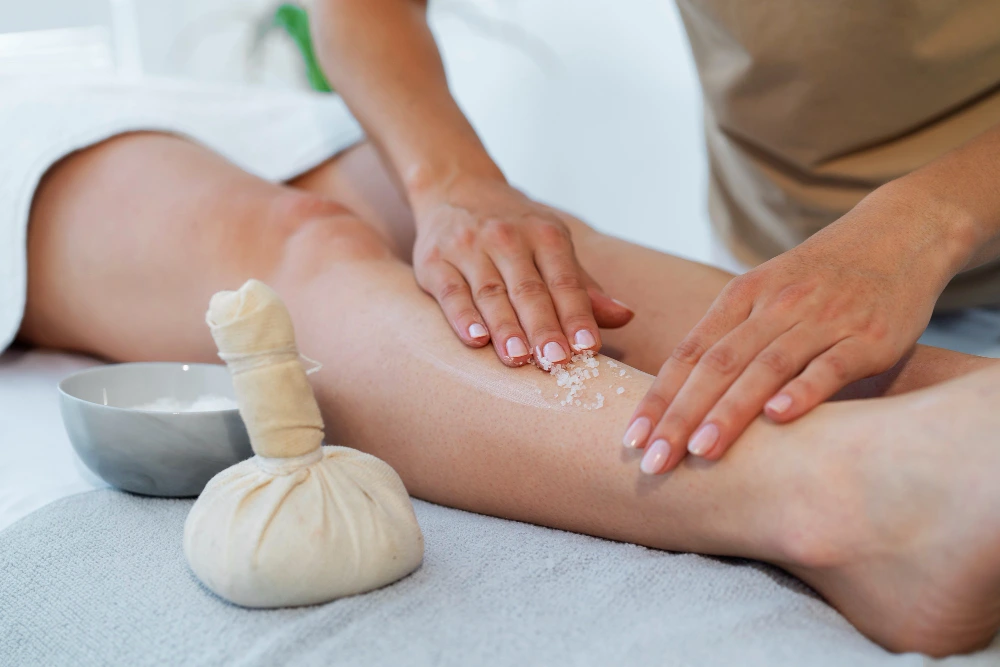
Local care also includes Lepa, a herbal paste applied to ease swelling and itching, and gentle oil application stroked upwards towards the heart, never with deep pressure over bulging veins. These are supported by internal medicines chosen by your physician. All of these therapies must be performed by trained practitioners.
The Role of Individualised Ayurvedic Consultation
The physician reviews your symptoms, the stage of your veins, your constitution (prakriti), digestion, occupation and any Doppler scan results. This decides whether local therapies are safe for you and which medicines suit you.
Ayurvedic Medicines and Oils for Varicose Veins
Ayurvedic medicines and oils for varicose veins are chosen to calm Vata, support healthy blood flow and ease heaviness and swelling. They work best as part of a physician-guided plan, not as stand-alone remedies.
Ayurvedic Medicine for Varicose Veins
There is no single best Ayurvedic treatment for varicose veins; the choice depends on your symptoms and overall health. Classical formulations a physician may consider include:
- Kaishora Guggulu
- Manjishthadi Kashayam
- Punarnavadi Kashayam (where swelling is present)
- Sahacharadi Kashayam
- Guduchi-based preparations
Disclaimer: These medicines are named for information only, and no dosage is suggested. Take them only after consultation with a qualified Ayurvedic physician. Self-medication is not recommended, especially during pregnancy, with blood thinners or other medicines, or with kidney or liver conditions.
Best Ayurvedic Oil for Varicose Veins: Uses and Limitations
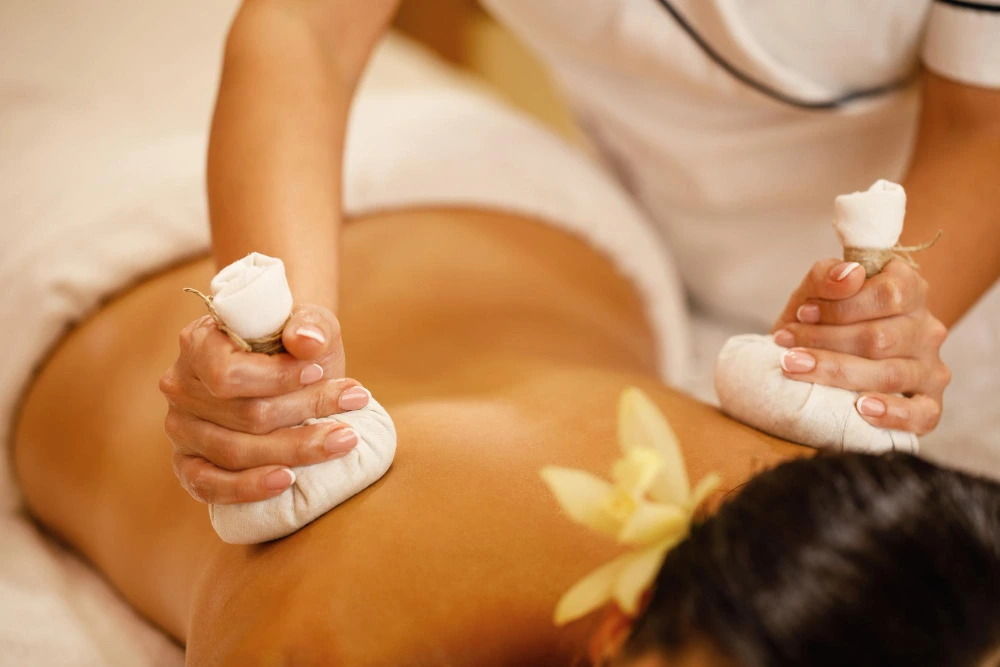
Oils such as Pinda Thailam and Sahacharadi Thailam are traditionally used in Kerala for leg heaviness, burning sensations and dry skin. Apply them lightly in upward strokes towards the heart, never with deep pressure over bulging veins. Oils may ease discomfort, but they cannot repair damaged vein valves or make varicose veins disappear. Avoid oils on broken skin, ulcers or a hot, painful vein.
Varicose Veins in Legs Treatment in Ayurveda
For leg veins, a typical plan combines internal medicines, local therapies such as leech therapy or Lepa where suitable, and daily habits: walking, raising the legs, avoiding long periods of standing and keeping to a healthy weight. Your physician may also advise compression stockings alongside Ayurvedic care.
Varicose Vein Treatment in Siddha: Understanding the Difference
Siddha is a separate traditional system of medicine that originated in Tamil Nadu. It has its own methods of diagnosis and its own herbal and herbo-mineral formulations, and some Siddha centres also use leech therapy and external applications. Both systems share a focus on balance and lifestyle, but their medicines and principles differ. Whichever you choose, see a qualified, registered practitioner and keep your doctor informed. Back to Roots Ayurveda offers Ayurvedic, not Siddha, treatment.
Ayurvedic Treatment for Varicose Veins in Kerala
Kerala has a long tradition of classical Ayurveda, with physicians trained in therapies such as leech therapy, Lepa and medicated oils. Ayurvedic treatment for varicose veins in Kerala is usually offered as an outpatient programme or a short residential stay, depending on your needs. Explore our Ayurveda treatments in Kerala to see what is available.
How to Choose an Ayurvedic Hospital or Treatment Centre
- Qualified, registered physicians (BAMS or MD Ayurveda) who assess you in person
- Clear hygiene standards, especially for leech therapy and bloodletting
- A willingness to review your scans and work alongside your doctor
- Transparent information on treatment duration and cost
Our guide to Ayurvedic hospitals in Kerala can help you compare options. If your physician recommends a wider cleansing programme for overall health, read about the benefits of Panchakarma and what affects Panchakarma cost.
What to Expect During an Ayurvedic Consultation
- A discussion of your symptoms, work routine, diet and medical history
- Examination of the legs and a review of any Doppler scan or blood test results
- An assessment of your constitution and digestion
- A personalised plan of medicines, therapies and lifestyle advice, with follow-up dates
If you are considering massage-based therapies, read about Ayurvedic massage in Kerala and ask your physician whether it is suitable for your veins.
Benefits and Limitations of Ayurvedic Treatment for Varicose Veins
Ayurveda may help ease symptoms such as heaviness, aching, swelling and itching, but it cannot repair damaged vein valves or remove varicose veins. It is best seen as supportive care alongside medical assessment.
Potential Role in Symptom Management
- Easing leg heaviness, aching and night cramps
- Reducing swelling and skin dryness or itching
- Supporting healthier daily habits, digestion and weight
- Offering supervised local therapies for selected patients
Why Medical Assessment Is Important
Varicose veins can sometimes hide deeper vein problems. A Doppler ultrasound helps your doctor check for valve damage or clots and decide whether treatments such as compression stockings, sclerotherapy, laser or surgery are needed. Ayurvedic care is safest when it starts with this information.
When Should You Seek Medical Treatment?
See a doctor if your varicose veins cause pain, itching or swelling, or if you have a sore on your leg that has not healed after two weeks. Get urgent medical help if:
- A varicose vein is bleeding
- One leg becomes suddenly swollen, warm, red or painful, especially in the calf (a possible deep vein thrombosis)
- A vein becomes hard, hot and tender
- You develop sudden breathlessness or chest pain, which can signal a clot in the lungs and needs emergency care
Conclusion
Varicose veins are common and often manageable. Ayurveda understands them as Siraja Granthi, a Vata-related condition of the veins, and offers supervised leech therapy, medicated oils, internal medicines, diet and daily routine changes to ease heaviness, aching and swelling. Started after a proper medical assessment and continued alongside your doctor’s advice, this individualised approach can help you feel more comfortable on your feet. For everyday habits that support circulation, see our Ayurvedic health tips.
Ready to take the first step? Book a consultation at Back to Roots Ayurveda for a personalised assessment and varicose vein treatment plan in Kerala.
FAQs
1. Can varicose veins be treated with Ayurveda?
Ayurveda can help manage symptoms such as aching, heaviness, swelling and itching through medicines, oils, supervised leech therapy and lifestyle changes. It cannot repair damaged vein valves, so it works best alongside a medical assessment and, where needed, treatments recommended by a vascular specialist.
2. Which Ayurvedic medicine is used for varicose veins?
Formulations such as Kaishora Guggulu, Manjishthadi Kashayam and Punarnavadi Kashayam are traditionally used, depending on the person’s symptoms and constitution. There is no single medicine that suits everyone, so they should only be taken after consultation with a qualified Ayurvedic physician.
3. What is the best Ayurvedic oil for varicose veins?
No single oil is best for everyone. Pinda Thailam and Sahacharadi Thailam are commonly used in Kerala to ease heaviness and burning. Apply oils gently in upward strokes, avoid deep pressure over veins, and remember that oils relieve discomfort but cannot remove varicose veins.
4. Is Ayurvedic treatment for varicose veins available in Kerala?
Yes. Many centres in Kerala, including Back to Roots Ayurveda, offer Ayurvedic treatment for varicose veins after an individual consultation. Choose a centre with registered physicians, good hygiene standards for procedures such as leech therapy, and a willingness to work with your doctor.
5. Can varicose veins disappear with Ayurvedic treatment?
Varicose veins do not usually disappear with Ayurvedic treatment, because the damaged valves inside the vein do not heal on their own. Many people find their symptoms ease and their legs feel lighter with consistent care, but visible veins generally need medical procedures to be removed.
6. What is the difference between Ayurvedic and Siddha treatment for varicose veins?
Ayurveda and Siddha are separate traditional systems. Siddha originated in Tamil Nadu and has its own diagnostic methods and herbal and herbo-mineral medicines, while Ayurveda follows classical texts such as the Sushruta Samhita. Both should be provided only by qualified, registered practitioners.
7. When should I consult a vascular specialist for varicose veins?
See a specialist if your veins cause pain, swelling or skin changes, or if you have a leg sore that has not healed in two weeks. Seek urgent help for a bleeding vein, or a suddenly swollen, painful calf, which may signal a blood clot.
Disclaimer: This content is for general education and does not replace professional medical advice, diagnosis or treatment. Consult a qualified doctor before starting any medicine or therapy.