Key Takeaways
- Ayurveda views skin problems as a sign of imbalance in the doshas (Vata, Pitta and Kapha), the blood (rakta) and digestion (agni).
- Ayurvedic treatment for skin problems combines internal medicines, medicated oils, Panchakarma therapies, diet and daily routine, personalised after a consultation with a qualified Ayurvedic physician.
- Acne, eczema, psoriasis, fungal infections, and rashes are among the conditions people commonly bring to Ayurvedic practitioners.
- Medicines and oils named in this blog are classical formulations for information only. They should be taken only on the advice of a qualified Ayurvedic doctor.
What Is Ayurvedic Treatment for Skin Problems?
Ayurvedic treatment for skin problems is a personalised approach that looks at the whole person: constitution (prakriti), digestion, diet, stress, sleep, and environment. Classical Ayurvedic texts group most skin disorders under Maha Kushtha (major skin diseases) and Kshudra Kushtha (minor skin conditions), and treatment aims to correct the underlying imbalance rather than only calm visible symptoms.
How Ayurveda Approaches Skin Diseases
According to Ayurveda, skin health depends on balanced doshas, healthy blood tissue, and strong digestion.
Pitta aggravation is often linked with inflammation, redness and burning. Kapha imbalance is associated with oozing and heaviness, and Vata with dryness, roughness and scaling.
A practitioner assesses these patterns through history and physical examination, then plans a combination of internal medicines, external therapies, cleansing, and lifestyle changes.
Factors That May Affect Skin Health in Ayurveda
- Irregular or heavy meals, and combinations considered incompatible (viruddha ahara) such as milk with sour or salty foods
- Excess spicy, fried, fermented, or sugary food
- Poor digestion and constipation
- Stress, anger, and disturbed sleep
- Suppressing natural urges, or sleeping in the daytime
- Hygiene, humidity and sweat. Kerala’s warm, humid climate can encourage fungal and bacterial skin problems.
Common Skin Problems Treated With Ayurveda
Acne and Pimples
Ayurveda links acne (Yauvana Pidaka) mainly to Pitta and Kapha imbalance with excess oil. Care usually focuses on digestion, cooling foods, blood-purifying herbs and gentle external applications.
Eczema and Dry, Itchy Skin
Eczema is often compared with Vicharchika (and Vipadika when cracks are prominent). Treatment generally uses internal herbs, soothing medicated oils and ghee preparations, along with avoidance of triggers.
Psoriasis and Chronic Skin Conditions
Psoriasis is commonly correlated with Ekakushtha or Kitibha. As it is a long-term immune-related condition, Ayurvedic management tends to be gradual and may include Panchakarma, diet changes and stress management.
Skin Infections, Rashes and Irritation
Ringworm, itching, scabies-like rashes and heat rashes are treated in Ayurveda with antimicrobial, cooling and blood-purifying herbs, medicated washes and oils. Spreading, painful or pus-filled infections need prompt medical attention.
Ayurvedic Treatment for Skin Problems
Ayurvedic Medicines for Skin Diseases
Practitioners may choose from classical formulations depending on the condition and the person. Examples often discussed for skin disease include:
- Mahamanjishtadi Kashayam, a decoction traditionally used for blood purification
- Khadirarishta, a fermented preparation used in chronic skin conditions
- Panchatiktaka Ghritam, a medicated ghee made from five bitter herbs
- Gandhaka Rasayana, a sulphur-based preparation traditionally used for infections and eruptions
- Arogyavardhini Vati and Kaishore Guggulu, used in some chronic skin conditions
Disclaimer: These medicines are named for educational purposes only, and no dosage is suggested. Some formulations contain processed minerals and should be taken only under the supervision of a registered Ayurvedic physician. Never self-medicate, and do not stop prescribed treatment without medical advice.
If you are comparing options, our guide to Ayurveda treatments in Kerala explains how consultations and treatment plans work.
Ayurvedic Oils for Skin Problems
Medicated oils (thailam) are used externally, often after a doctor’s assessment of skin type and condition:
- Nalpamaradi Thailam, traditionally used for itching and skin discolouration
- Eladi Thailam, used for dryness and irritation
- Marichyadi Thailam, used in scaly and itchy conditions
- Durvadi Thailam, used for fungal and itchy eruptions
- Kumkumadi Thailam, popular for complexion and pigmentation
Disclaimer: Patch-test any oil first and avoid applying it on open, weeping or infected skin unless advised by a practitioner.
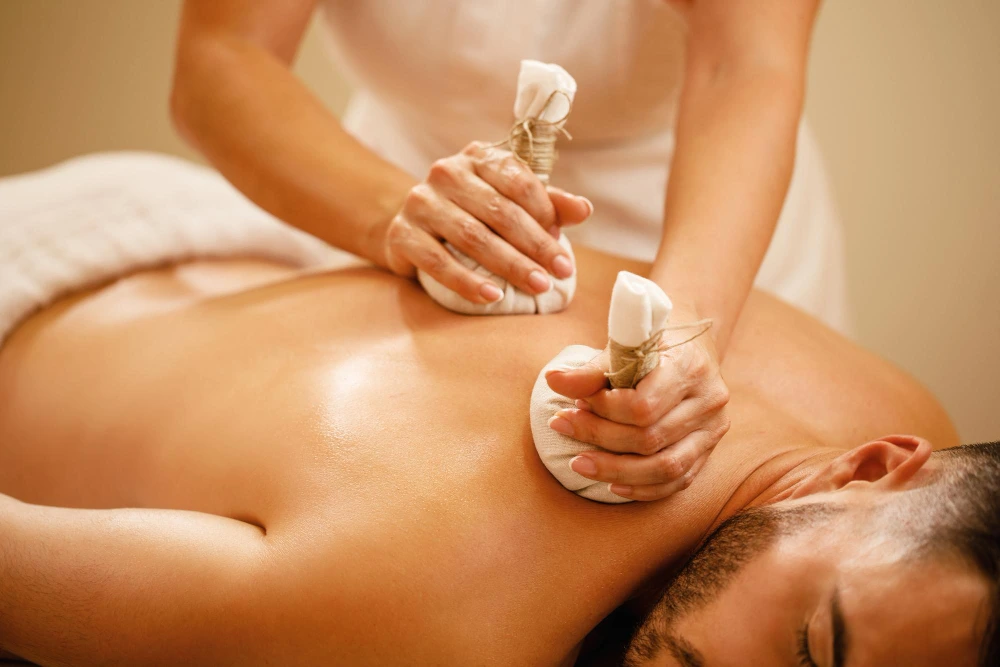
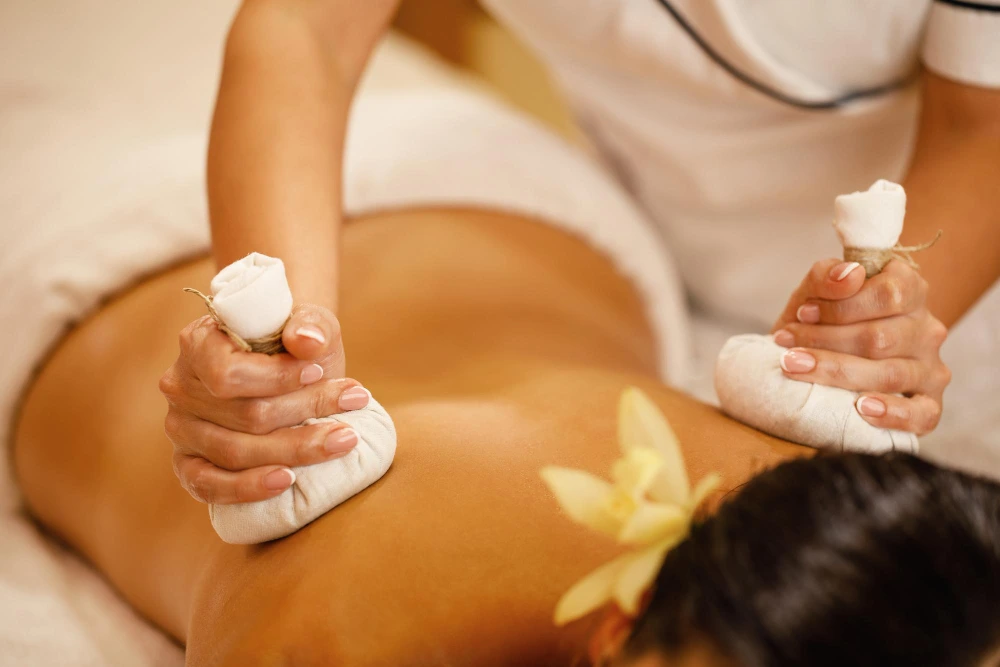
Many oils are also used in therapeutic Ayurvedic massage, where they are applied with specific techniques.
Ayurvedic Therapies and Panchakarma
For chronic conditions, Ayurveda may recommend Panchakarma, a set of cleansing therapies.
For skin diseases, Virechana (therapeutic purgation) is the therapy most associated with Pitta and blood-related disorders. Others used in selected cases include Takradhara (a stream of medicated buttermilk on the forehead), Lepam (herbal pastes) and Pizhichil (warm oil flow).
Learn more about the benefits of Panchakarma and what to expect from Panchakarma cost before planning a stay.
Diet and Lifestyle Recommendations
- Favour fresh, warm, easily digestible meals; include bitter greens, gourds, and moong
- Reduce fried, very spicy, sour, processed, and sugary foods
- Drink adequate warm water and keep bowel habits regular
- Sleep on time and manage stress through yoga, pranayama, and meditation
- Wear clean, breathable cotton clothing, especially in humid weather
Our Ayurvedic health tips cover more daily habits.
Ayurvedic Remedies for Skin Problems
Herbal and Natural Ingredients Used in Ayurveda
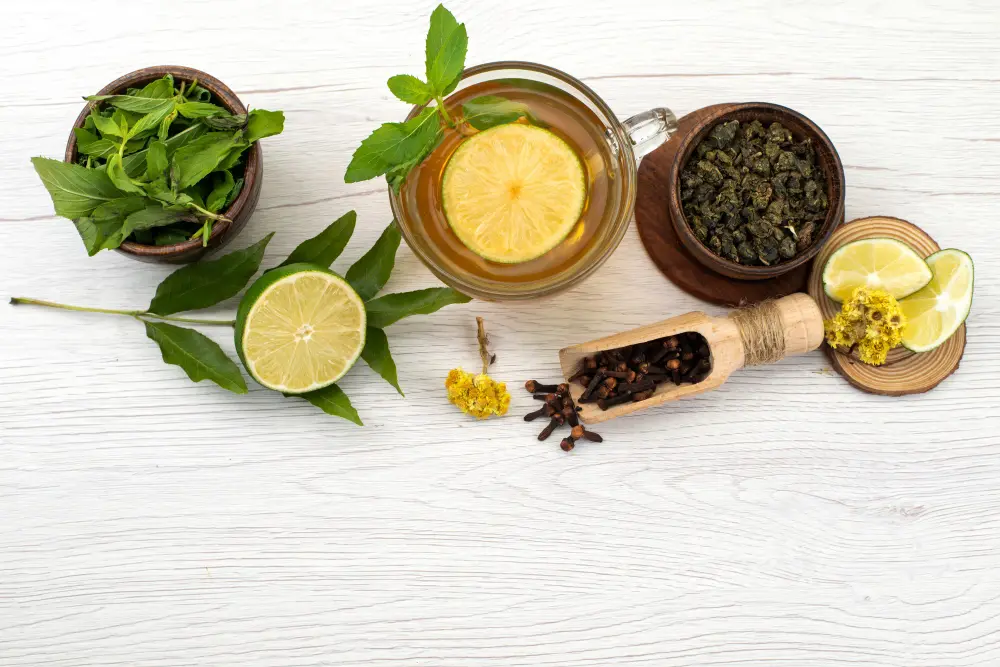
Common ingredients include neem (Azadirachta indica), turmeric (Curcuma longa), manjistha (Rubia cordifolia), aloe vera, sandalwood, Indian sarsaparilla (Sariva), khadira and coconut oil, which is widely used in Kerala. These are traditional uses, and individual reactions vary. Skin allergy to herbs is possible, so try a small area first.
Daily Skin Care According to Ayurveda
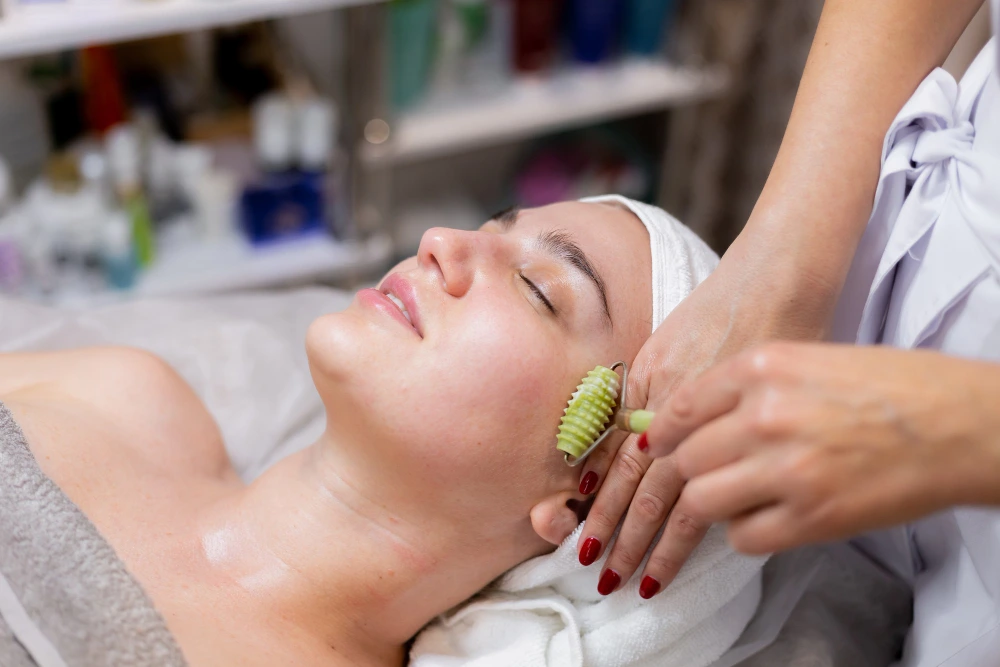
Ayurveda suggests a consistent routine (dinacharya): gentle cleansing, applying a suitable oil, bathing with lukewarm rather than very hot water, protecting skin from harsh sun and pollution, and avoiding harsh chemical products on sensitive skin.
When to Consult an Ayurvedic Practitioner
Seek professional guidance if a skin problem lasts more than a few weeks, keeps returning, spreads, or affects sleep and daily life. Seek urgent medical care for fever, rapid spread, severe pain, swelling, pus or sudden blistering.
Ayurvedic Treatment for Chronic Skin Diseases
Chronic conditions such as psoriasis, long-standing eczema and vitiligo are usually managed over months, not days. A typical plan includes internal medicines, external applications, a Panchakarma course when suitable, and strict diet and lifestyle guidance. The goal is to reduce flare-ups, ease symptoms and support overall health. Results vary from person to person, and ongoing review by both your Ayurvedic doctor and dermatologist is advisable.
Ayurvedic Treatment for Skin Infection
For mild fungal or bacterial skin infections, Ayurveda uses antimicrobial herbs such as neem, turmeric and Durva, medicated washes and oils, along with hygiene and diet changes. Infections that are spreading, painful, recurrent or occurring in people with diabetes or low immunity need conventional medical evaluation, and Ayurvedic care should only run alongside it.
Why Consider Ayurveda Treatment in Kerala?
Kerala is regarded as a centre of traditional Ayurveda, with trained physicians, herbal gardens, in-house therapy teams and a long tradition of Panchakarma. The humid, rainy climate also makes the monsoon season a traditional time for rejuvenation therapies. Visitors can combine treatment, medicines and diet under one roof at our Ayurvedic retreat in Kerala with qualified doctors.
FAQs
1. What is the Ayurvedic treatment for skin problems?
Ayurvedic treatment for skin problems is a personalised plan combining internal medicines, medicated oils, Panchakarma, diet and lifestyle changes, based on your dosha balance and the condition.
2. Can Ayurveda treat chronic skin diseases?
Ayurveda is used to manage conditions like psoriasis and eczema and may help reduce symptoms. Chronic conditions need long-term care, and outcomes vary.
3. What Ayurvedic medicine is used for skin diseases?
Formulations such as Mahamanjishtadi Kashayam, Khadirarishta and Panchatiktaka Ghritam are traditionally used. They must be prescribed by a qualified practitioner.
4. Which Ayurvedic oil is good for skin problems?
Nalpamaradi, Eladi, Marichyadi and Durvadi Thailam are traditionally used. The right choice depends on your skin condition, so consult a doctor first.
5. Is Ayurvedic treatment effective for skin infections?
It may help in mild cases as supportive care, but serious or spreading infections need medical evaluation.
6. How long does Ayurvedic skin treatment take?
Mild problems may respond within weeks, while chronic conditions often need several months of treatment and follow-up.
7. Can Panchakarma be used for skin problems?
Yes, selected therapies like Virechana are traditionally used in skin disorders, after assessment of strength and suitability.
8. Is Ayurvedic treatment for skin problems safe?
It is generally considered safe when prescribed by qualified practitioners using quality-tested products. Unsupervised use, some mineral-based preparations and herb allergies can cause harm.
9. Can diet help improve skin health according to Ayurveda?
Yes. Ayurveda gives diet a central role, emphasising fresh, balanced meals and avoiding incompatible and heavily processed foods.
10. When should I consult an Ayurvedic doctor for a skin problem?
Consult one if symptoms persist, recur or worsen. See a doctor urgently for rapid spread, fever, severe pain or pus.
Disclaimer: This content is for general education and is not a substitute for professional medical advice, diagnosis or treatment. Consult a qualified Ayurvedic physician or dermatologist before starting any medicine, oil or therapy.