Diabetes is a long-term metabolic condition in which the body has difficulty maintaining healthy blood glucose levels. It develops through a combination of factors, including genetics, dietary habits, physical activity, body weight, stress and sleep patterns. Because diabetes requires long-term management, many people explore Ayurveda as a complementary approach to support healthier lifestyle habits and overall wellbeing.
In Ayurveda, diabetes is commonly understood in relation to Madhumeha, which comes under the broader group of disorders known as Prameha. Ayurvedic management focuses on the individual rather than treating blood sugar levels alone. Diet, digestion, physical activity, sleep, stress, body constitution and other health factors are considered when developing a treatment plan.
At Back to Roots Ayurveda, Kerala, our approach focuses on personalized Ayurvedic care that complements appropriate medical diabetes management rather than replacing it.
Book your consultation today to understand what a personalized plan could look like for you.
Key Takeaways
- Ayurveda relates diabetes to the broader Ayurvedic concept of Madhumeha and Prameha.
- Ayurvedic management emphasizes digestion, metabolism, diet, physical activity and lifestyle.
- Depending on the individual, herbs and selected Ayurvedic therapies may be used as supportive measures.
- Ayurveda should complement, not replace, prescribed diabetes treatment. Diabetes medicines should never be stopped or changed without medical guidance.
- Regular blood glucose monitoring and appropriate medical follow-up remain important.
What is Ayurveda Treatment for Diabetes?
Ayurveda treatment for diabetes is a personalized approach that aims to support metabolic health through appropriate food, daily routines, physical activity, herbal preparations, and selected therapies.
Rather than following one standard treatment for everyone, Ayurveda considers factors such as Prakriti (individual constitution), digestive capacity, body composition, age, strength, lifestyle, and the stage of the condition.
The Ayurvedic approach may therefore include dietary modifications, lifestyle changes, and practitioner-supervised therapies. For some individuals, herbal preparations may also be considered.
The objective is to establish habits that support overall metabolic wellbeing while working alongside appropriate conventional diabetes care.
How Ayurveda Approaches Blood Sugar Management
Ayurvedic texts describe Madhumeha in relation to disturbances involving the Doshas, particularly Kapha, along with impaired digestion and metabolism. Dietary excesses, physical inactivity, excessive sleep and other lifestyle factors are traditionally considered contributors to this imbalance.
Ayurvedic management therefore emphasizes improving dietary habits, encouraging appropriate physical activity and supporting healthy digestion and metabolism. Classical Ayurvedic approaches also distinguish between individuals according to their body constitution and physical condition. A person who is overweight may require a different approach from someone who is underweight or physically depleted.
This is why Ayurvedic diabetes management should begin with an individual assessment rather than a fixed treatment protocol.
Role of Diet and Lifestyle in Ayurveda
Diet and lifestyle form an important part of Ayurvedic management. Ayurveda considers the quality, quantity and timing of food, along with daily activity and rest, when supporting metabolic health.
Meals may be planned around fresh, appropriately prepared foods with controlled portions. Foods traditionally considered lighter and less Kapha-aggravating may be emphasized, while excessive intake of sweets, refined foods, heavily fried foods and other calorie-dense foods may be reduced.
Regular physical activity, adequate sleep and stress management are equally important. These measures are not substitutes for diabetes treatment but can contribute to healthier daily habits and better overall metabolic health.
Ayurvedic Remedies and Treatments for Diabetes
Ayurvedic management may involve a combination of dietary measures, lifestyle modifications, herbal preparations and selected therapies. The exact approach depends on the individual’s condition and should be determined by a qualified practitioner.
Ayurvedic Medicine for Diabetes
Ayurvedic medicine for diabetes is prescribed based on your dosha, digestion, age, strength and the stage of the condition. There is no single best Ayurvedic medicine for diabetes in India that suits everyone. Commonly used Ayurvedic medicines include:
- Chandraprabha Vati
- Nishakathakadi Kwath
- Shilajitvadi Vati
- Kathakakhadiradi Kashayam
- Phalatrikadi Kashayam
Note: Taking medicines without a diagnosis can be risky, especially if you are already on diabetes medication, since blood sugar may fall too low. Always speak to your doctor and your Ayurvedic practitioner together.
Ayurvedic Herbs and Formulations
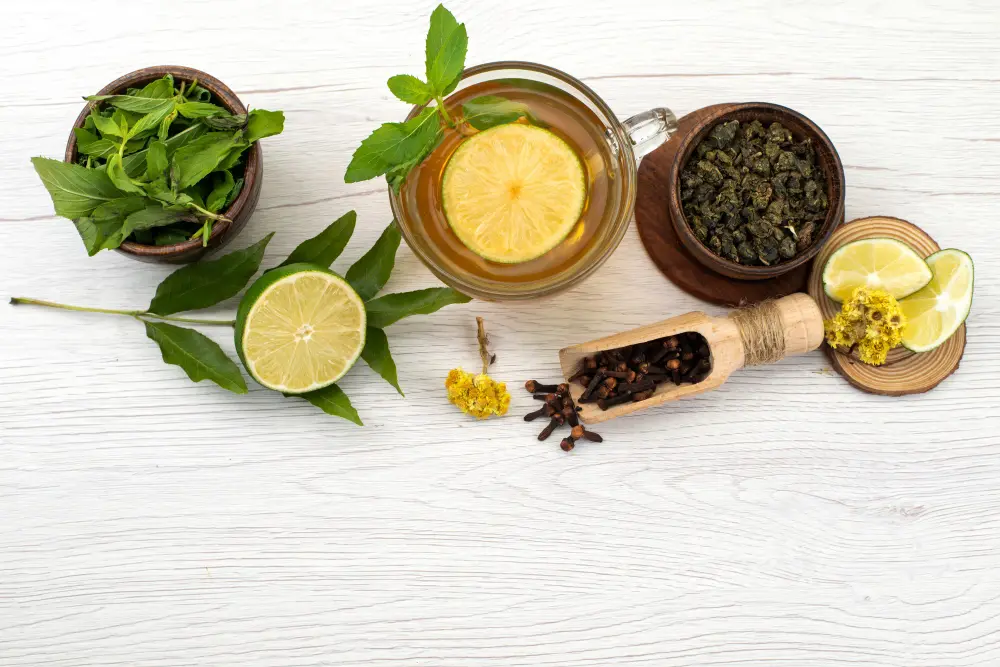
Several herbs have been used in Ayurvedic practice for metabolic health. These include:
- Gudmar (Gymnema sylvestre)
- Vijaysar (Pterocarpus marsupium)
- Methi or Fenugreek (Trigonella foenum-graecum)
- Amalaki (Amla)
- Haridra (Turmeric)
- Karavellaka (Bitter gourd)
- Jambu (Jamun)
Research on many of these is still developing, so they should be seen as supportive measures. You can also read about fermented preparations in our guide to Ayurvedic Arishtas, and our guide on Ayurvedic Health Tips has more everyday advice.
Ayurvedic Diet for Blood Sugar Management
An Ayurvedic dietary plan for diabetes is generally individualized. Foods commonly included in traditional dietary recommendations may include:
- Barley and selected millets
- Moderate portions of whole grains
- Green leafy vegetables
- Bitter vegetables such as bitter gourd
- Bottle gourd and other lighter vegetables
- Green gram (moong)
- Spices such as turmeric, cumin, coriander and fenugreek
Foods high in added sugar, refined flour and heavily processed or fried foods are generally limited.
Portion size and meal timing also matter. Eating mindfully, avoiding overeating and maintaining consistent meal patterns can help establish healthier eating habits. A diabetes-friendly diet should nevertheless be individualized according to medical requirements, medications, nutritional needs and blood glucose patterns.
Panchakarma and Other Ayurvedic Therapies
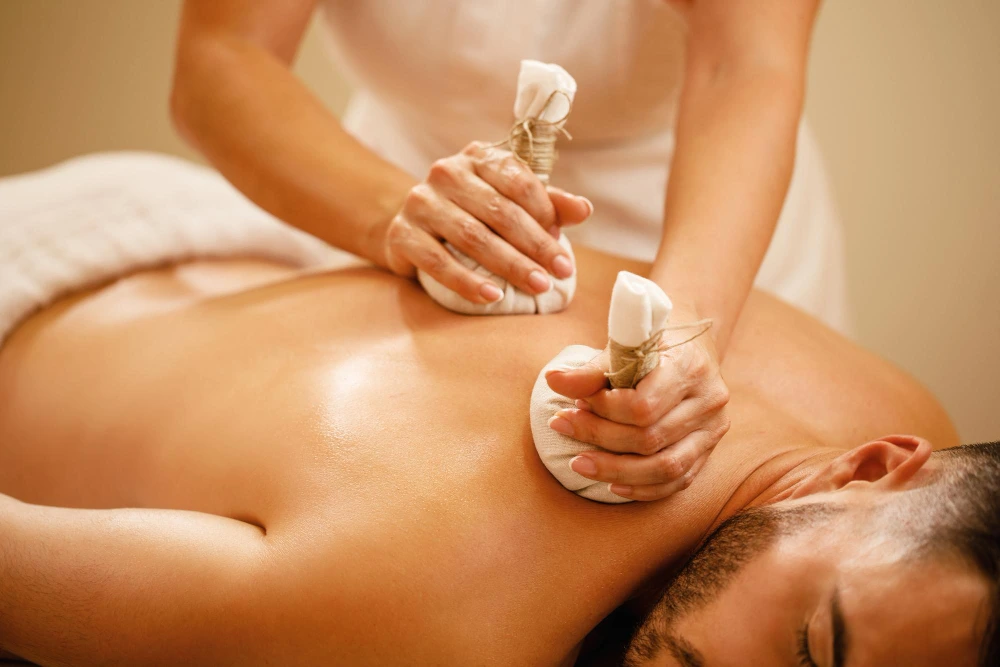
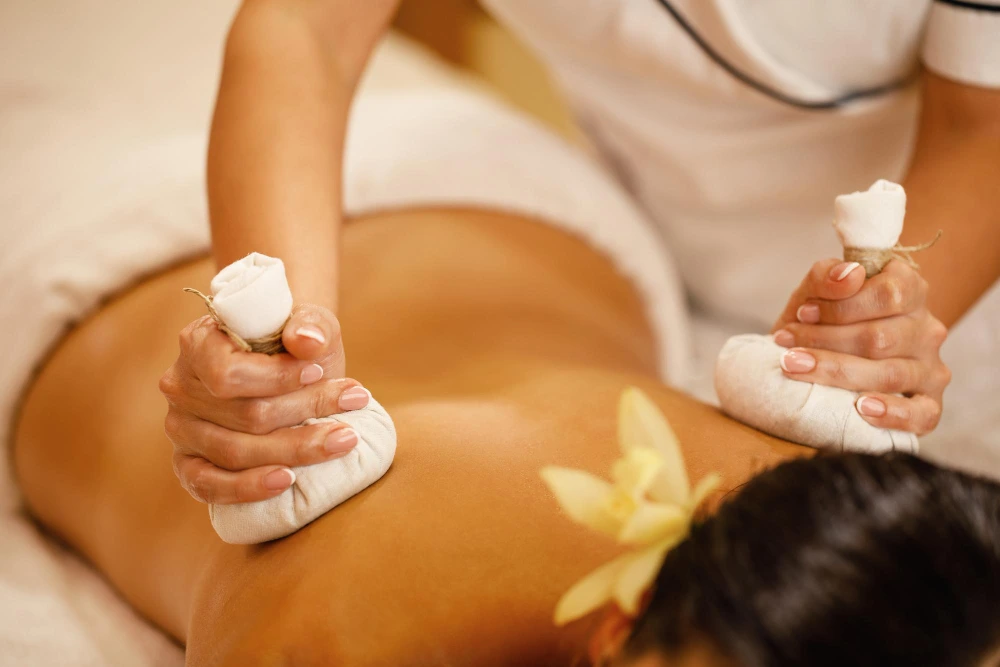
Ayurvedic therapies may be considered as part of a broader wellness plan for selected individuals. Depending on the person’s condition, constitution and overall strength, an Ayurvedic practitioner may recommend therapies such as Udwartana (dry herbal powder massage), selected Panchakarma procedures like Virechana, and supportive Ayurvedic massage in Kerala.
Panchakarma is not appropriate for everyone with diabetes. The suitability of any cleansing or therapeutic procedure depends on factors such as age, physical strength, medical history, complications and current blood glucose control. To learn more, read the benefits of Panchakarma and what to expect from Panchakarma cost in Kerala.
Ayurvedic Lifestyle Tips for Supporting Blood Sugar Control
Lifestyle changes are an important part of long-term diabetes management. Ayurvedic principles can be incorporated into daily routines alongside evidence-based medical care.
Follow a Balanced Ayurvedic Diet
Take your largest meal at midday, keep dinner light, and avoid snacking between meals. Chew food well and eat mindfully. Strong digestion is central to metabolic health, and our article on Ayurvedic treatment for gastroenterology explains how gut health and metabolism are connected.
Maintain Regular Physical Activity
Physical activity helps the body use glucose for energy and is an important part of diabetes management. Walking, yoga and other suitable forms of exercise may be incorporated into a daily routine. Aim for activity appropriate to your age, fitness level and medical condition. Individuals with diabetes-related complications should seek medical advice before starting a new exercise programme.
Manage Stress and Sleep
Stress and inadequate sleep can negatively affect overall metabolic health. Practices such as meditation, breathing exercises, yoga and maintaining a calming bedtime routine may support relaxation. Aim for adequate, consistent sleep and maintain similar sleeping and waking times whenever possible.
Maintain a Consistent Daily Routine
Waking, eating and sleeping at regular times keeps digestion and metabolism steady. Simple home remedies for diabetes, such as warm water and fenugreek soaked overnight, may be suggested, but they should never replace medication.
Have questions about your health? Message us on WhatsApp, and our team will guide you.
Can Ayurveda Cure Diabetes?
This is the most common question we hear, and an honest answer matters. Type 1 diabetes requires lifelong insulin, and type 2 diabetes is a chronic condition that can often be controlled but not guaranteed to be “cured.”
Early-stage or pre-diabetic cases may respond well to lifestyle changes and Ayurvedic support. Claims of a permanent cure should be treated with caution. A realistic goal is better blood sugar control, improved energy and a lower risk of complications, under proper supervision.
Ayurveda and Conventional Diabetes Treatment
Ayurveda and modern medicine can work together when coordinated. Modern medicine provides precise blood sugar control and emergency care, while Ayurveda supports diet, digestion and long-term wellness.
Keep monitoring your blood sugar, tell both practitioners about all medicines and herbs you take, and make changes only under medical guidance. Choosing a well-supervised setting also matters, and our guide to Ayurvedic hospitals in Kerala can help you compare options.
When Should You Consult a Doctor or Ayurvedic Practitioner?
Consult a doctor if you experience symptoms such as:
- Frequent urination
- Excessive thirst
- Unexplained weight loss
- Persistent fatigue
- Blurred vision
- Slow-healing wounds
- Recurrent infections
- Tingling or numbness in the hands or feet
Some people with type 2 diabetes may have few or no obvious symptoms initially, so regular health checks are important for people at increased risk. Symptoms such as severe weakness, confusion, vomiting, extreme drowsiness or very high or very low blood glucose require prompt medical attention.
Once appropriate medical care is established, an Ayurvedic practitioner can help develop a complementary plan involving diet, lifestyle and suitable Ayurvedic therapies.
FAQs
1. What is Ayurveda treatment for diabetes?
Ayurveda treatment for diabetes is a personalized approach involving diet, lifestyle modifications, physical activity, herbal preparations and, where appropriate, selected Ayurvedic therapies. It is intended to complement appropriate medical diabetes care.
2. Can Ayurveda cure diabetes permanently?
There is no guaranteed permanent cure for diabetes through Ayurveda. Ayurvedic approaches may support healthy lifestyle habits and metabolic wellbeing, but diabetes requires appropriate medical monitoring and management.
3. Which Ayurvedic medicine is used for diabetes?
Ayurvedic practitioners may consider herbs such as Gudmar, Vijaysar, Fenugreek, Amla, Turmeric, Jamun and Bitter gourd. The appropriate medicine depends on the individual’s health and should be selected by a qualified practitioner.
4. What are the Ayurvedic remedies for blood sugar control?
Common Ayurvedic approaches include dietary modification, regular physical activity, stress management, adequate sleep, consistent daily routines and practitioner-guided herbal support.
5. Can Ayurvedic medicine be taken with diabetes medication?
Some Ayurvedic medicines may be used alongside conventional diabetes medicines, but this should only be done under professional supervision. Certain herbs may affect blood glucose levels or interact with medicines.
6. What foods are recommended in Ayurveda for diabetes?
Traditional Ayurvedic dietary recommendations may include barley, suitable millets, green gram, leafy vegetables, bitter vegetables and appropriate spices such as turmeric, cumin and coriander. Individual dietary needs should be assessed by a qualified professional.
7. Is Panchakarma beneficial for people with diabetes?
Selected Panchakarma procedures may be considered for some individuals, but they are not suitable for everyone with diabetes. A qualified practitioner should assess the person’s health, strength, medications and complications before recommending any procedure.
Support Your Blood Sugar Health the Ayurvedic Way
At Back to Roots Ayurveda, Kerala, our Ayurvedic doctors take an individualized approach to wellness, considering your health status, lifestyle, dietary habits and specific needs.
Our goal is to provide supportive Ayurvedic care that works alongside appropriate medical treatment and encourages sustainable lifestyle changes.
Book your consultation today.
Disclaimer: This content is intended for general informational purposes and does not replace professional medical advice. Diabetes requires appropriate medical diagnosis, monitoring and treatment. Do not stop, reduce or change prescribed diabetes medicines or insulin without consulting your doctor. Discuss any Ayurvedic medicines, herbs or therapies with your healthcare providers before use.