Key Takeaways
- Asthma is a chronic lung condition in which inflamed airways tighten in response to triggers. Classical Ayurveda describes a closely matching condition called Tamaka Swasa.
- Ayurvedic management of asthma brings together a personal consultation, herbal preparations, breathing practices, diet and routine, and in some cases Panchakarma.
- Inhalers remain the backbone of asthma control. Ayurvedic care is added to them, never swapped for them, and a severe attack is always a medical emergency.
For someone living with asthma, a change in weather, a dusty room or a common cold can be enough to bring on a tight chest and wheezing. The World Health Organization describes asthma as a major non-communicable disease that affects both children and adults. Modern inhaled medicines control it well for most people, and many also look to traditional systems for ways to strengthen everyday health.
Ayurvedic treatment for asthma takes a whole-person view, looking at digestion, routine, environment and constitution as well as the lungs. At Back to Roots Ayurveda, an Ayurvedic retreat in Kerala, every plan is built around the patient’s existing medical care. This guide covers how Ayurveda understands asthma, what treatment may involve, and the home care habits that matter most.
Asthma and Its Symptoms
Asthma causes repeated episodes of breathing difficulty because the airways are chronically inflamed and overly sensitive. Symptoms usually come and go, and they can range from mild to life-threatening.
What Is Asthma?
The airways in the lungs of a person with asthma react strongly to certain triggers. The lining swells, the surrounding muscles tighten and extra mucus forms, so less air can pass through. Asthma can begin in childhood or adult life, and it often runs in families or occurs alongside allergies such as eczema or hay fever.
Common Symptoms and Triggers of Asthma
- A whistling or wheezing sound when breathing
- A cough that may be worse at night or early morning
- Breathlessness
- Chest tightness
Typical triggers include:
- Colds, flu and other respiratory infections
- House dust, mould, pollen and animal dander
- Cigarette smoke, vehicle fumes and wood smoke
- Cold air, exercise and emotional stress
- Certain painkillers, such as aspirin or ibuprofen, in some people
In Kerala, the damp monsoon months bring high humidity and indoor mould, which many people with asthma find hard to manage.
What Is the Ayurvedic Perspective on Asthma?
Asthma Ayurveda texts group breathing disorders under Swasa Roga, and the type that most resembles asthma is Tamaka Swasa. Ayurveda explains it through the interplay of Kapha and Vata, digestion and lifestyle, and plans care around the individual.
Tamaka Swasa in Ayurveda
Tamaka Swasa is one of five forms of Swasa Roga in the Charaka Samhita. The classical picture is strikingly familiar: attacks of wheezing and breathlessness, a cough that brings up sticky mucus, discomfort when lying down and ease when sitting upright. The texts also note that attacks tend to come in rainy or cold weather and after exposure to dust, smoke and wind.
How Ayurveda Approaches Respiratory Health
Ayurveda calls the system that carries breath Pranavaha Srotas. Healthy breathing is thought to depend on clear channels, steady digestion and a balanced routine. Because the respiratory system is linked with the stomach in classical thinking, digestive health is often addressed alongside the chest.
The Role of Dosha Imbalance in Traditional Ayurvedic Explanations
In the traditional explanation, Kapha builds up and blocks the respiratory channels, while Vata, unable to move freely, is pushed in the wrong direction and produces breathlessness. Cold, heavy or excess food, damp surroundings, dust and irregular habits are said to aggravate this pattern. This is a traditional framework rather than a scientific explanation of asthma.
Ayurvedic Management of Asthma: An Individualised Approach
No two patients receive exactly the same plan. The physician considers whether Kapha or Vata is more prominent, how strong digestion is, the season, age, occupation and the triggers each person reports.
Ayurvedic Treatment for Asthma
Asthma treatment in Ayurveda is built in stages: a detailed consultation, herbal preparations selected by a physician, cleansing therapies for suitable patients, and ongoing lifestyle guidance. Each step is planned around, and never in place of, prescribed asthma medicines.
Ayurvedic Consultation and Personalised Care
The first visit usually covers your asthma history, how often you use your reliever inhaler, known triggers, sleep, appetite and bowel habits. The physician also reviews any lung function tests and your current prescriptions. From this, a written plan is agreed, with clear review dates.
Ayurvedic Herbs and Preparations: Professional Guidance
Ayurvedic medicine for asthma is selected according to which dosha dominates and how strong the patient is. Herbs often used for the chest include Kantakari, Bharangi, Pushkaramoola, Haridra (turmeric) and Pippali. Preparations a physician may choose from include:
- Vasarishta
- Kantakaryavaleha
- Haridra Khanda
- Bharangyadi Avaleha
Disclaimer: These preparations are listed for information only, and no dosage is given. They should be started only after an assessment by a qualified Ayurvedic physician, and never given to children or used in pregnancy without professional advice.
Panchakarma and Its Role in Traditional Ayurvedic Care
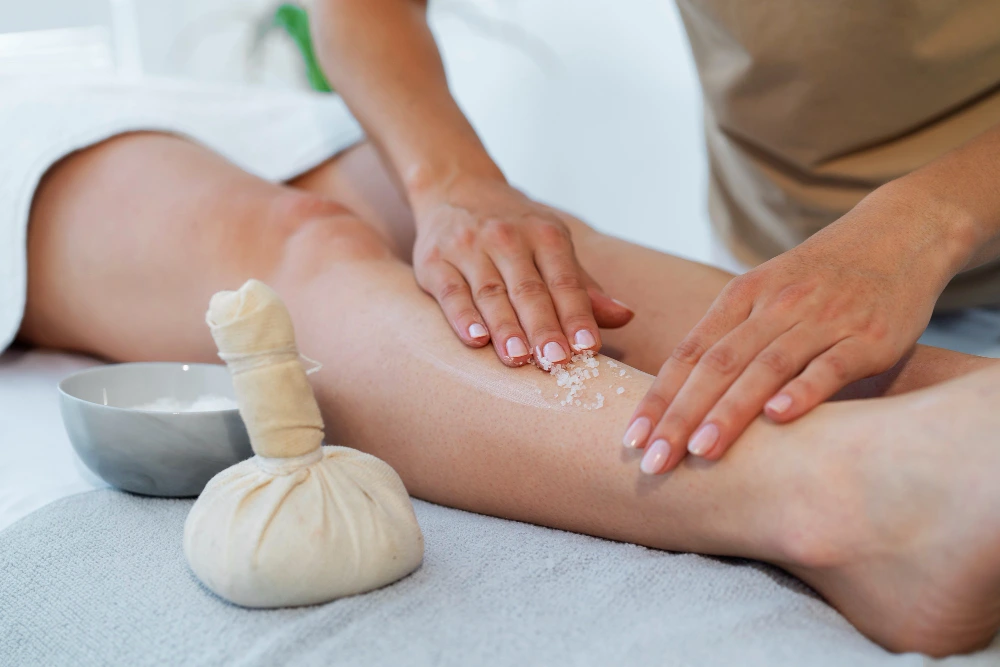
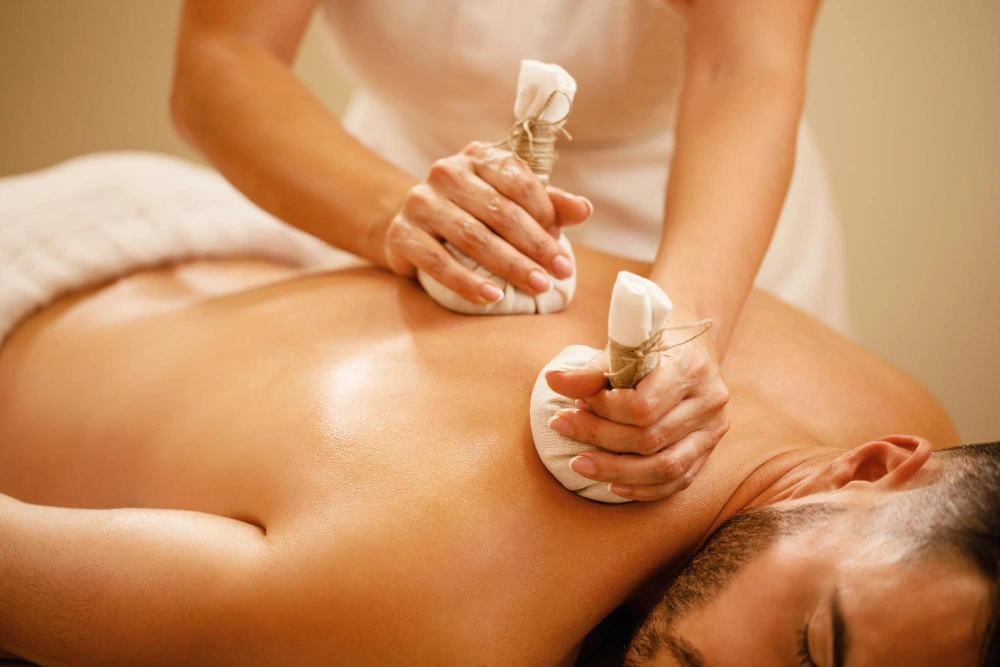
Classical texts describe cleansing procedures such as Vamana (therapeutic emesis) and Virechana (therapeutic purgation) for Kapha-dominant conditions. Today these are offered only to carefully selected patients whose asthma is stable, after preparatory steps such as oleation and gentle Ayurvedic massage in Kerala. They are never done during an attack. To understand what a programme involves, read about the benefits of Panchakarma and what shapes Panchakarma cost.
Safety Considerations Before Starting Ayurvedic Medicine
- Continue every inhaler and tablet your doctor has prescribed
- Bring a full list of medicines and supplements to the consultation
- Buy preparations only from licensed manufacturers, as recommended by your physician
- Report any new rash, stomach upset or worsening breathlessness straight away
- Keep your reliever inhaler with you at all times, including during therapies
Lifestyle and Home Care for Asthma Management
What you do every day has a large effect on how often asthma flares. Ayurveda gives particular weight to routine, food and environment, and these habits also match mainstream asthma advice.
Breathing Exercises and Relaxation Techniques
Slow, unhurried breathing, such as gentle alternate-nostril breathing (Nadi Shodhana) and simple belly breathing, can help you feel calmer and more in control. Learn these from a trained teacher and practise when you are well, not during an attack. Rapid or forceful techniques such as Kapalabhati are best avoided unless your doctor agrees.
Dietary Habits and Balanced Nutrition
Ayurveda suggests eating your main meal at midday, when digestion is considered strongest, and keeping dinner light and early. Warm soups, kanji (rice gruel), steamed vegetables and lentils seasoned with dry ginger, pepper or turmeric are traditional choices. Chilled drinks, curd at night, deep-fried snacks and heavy sweets are usually limited. Always avoid any food you know you are allergic to.
Reducing Exposure to Dust, Smoke and Other Triggers
Wash bedding in hot water each week, keep rooms dry and well ventilated during the monsoon, and deal quickly with damp patches or mould. Avoid cigarette smoke and smoke from burning leaves or firewood, and wear a mask when cleaning or sweeping.
Sleep, Physical Activity and Daily Routines
Go to bed and wake at regular times, and avoid daytime naps after heavy meals, which Ayurveda links to Kapha. Stay active with walking or gentle yoga, warming up slowly and keeping your reliever close. For simple daily practices, see our Ayurvedic health tips.
Can Ayurveda Cure Asthma?
There is no proven asthma cure in Ayurveda or in any other system of medicine. Ayurveda’s realistic role is to support general health, help you understand and reduce your triggers, and complement your inhalers. Be cautious of any clinic or product that promises a permanent cure or asks you to stop prescribed medicines.
An asthma attack can become life-threatening. In India, call 108 or 112 for an ambulance if your reliever inhaler is not helping, you are too breathless to speak, your lips or fingertips look blue, or you feel drowsy or confused.
Choosing Ayurvedic Treatment in Kerala
Kerala is known for its long, unbroken tradition of classical Ayurveda and its many established treatment centres. When choosing where to go, look for:
- Registered physicians who examine you in person and ask about your prescriptions
- Honest advice that does not promise a cure
- Clean, well-ventilated treatment rooms, which matter for people with asthma
- Clear information on programme length and fees
You can explore our Ayurveda treatments in Kerala or compare centres using our guide to Ayurvedic hospitals in Kerala.
Conclusion
Asthma needs steady, long-term care. Ayurveda understands it as Tamaka Swasa and offers a personalised mix of herbal preparations, breathing practices, diet, daily routine and, for selected patients, Panchakarma. Its value lies in supporting overall well-being and trigger control while your inhalers keep the airways protected.
Ready to take the first step? Book a consultation at Back to Roots Ayurveda for an Ayurvedic asthma plan that works alongside your current treatment.
FAQs
1. What is Ayurvedic treatment for asthma?
Ayurvedic treatment for asthma is a personalised plan that may include herbal preparations, breathing practices, dietary changes, a regular daily routine and, for some patients, Panchakarma. It aims to support overall respiratory health and reduce triggers, and it is always used together with the inhalers your doctor prescribes.
2. Can asthma be cured with Ayurveda?
No. Asthma currently has no cure in any system of medicine, including Ayurveda. Ayurvedic care may help you feel better and manage triggers, but long-term control depends on prescribed treatment. Be wary of any claim of a permanent cure.
3. Which Ayurvedic medicines are used for asthma?
Physicians may choose preparations such as Vasarishta, Kantakaryavaleha, Haridra Khanda or Bharangyadi Avaleha, based on each patient’s symptoms, digestion and dosha pattern. These should only be taken after an in-person assessment by a qualified Ayurvedic physician, and never in place of inhalers.
4. What is Tamaka Swasa in Ayurveda?
Tamaka Swasa is the classical Ayurvedic condition that closely resembles bronchial asthma. Described in the Charaka Samhita, it involves episodes of wheezing, cough with sticky mucus and breathlessness that eases on sitting up, and it is explained as a Kapha-Vata imbalance.
5. Is Panchakarma recommended for asthma?
Panchakarma therapies such as Vamana or Virechana may be considered for some people with stable, well-controlled asthma after a careful assessment. They are not suitable for everyone, are never done during an attack, and must be supervised by an experienced physician.
6. Can Ayurvedic treatment be taken alongside asthma inhalers?
Yes, and it should be. Keep using your inhalers exactly as prescribed, share your Ayurvedic plan with your doctor, and tell your Ayurvedic physician about every medicine you take. Never stop or reduce asthma medicines without your doctor’s advice.
Disclaimer: This content is for general education and does not replace professional medical advice, diagnosis or treatment. Consult a qualified doctor before starting any medicine or therapy, and never stop your prescribed asthma medicines.