Key Takeaways
- Psoriasis is a long-term, non-contagious skin condition that causes red or discoloured, scaly patches that flare up and settle over time.
- Stress, infections, skin injury, alcohol, smoking and certain medicines commonly trigger flare-ups.
- Ayurveda correlates psoriasis with Kitibha and Ekakushta, types of skin disease linked mainly to Vata and Kapha imbalance and toxin build-up (Ama).
- Psoriasis treatment in Ayurveda combines Panchakarma therapies, internal medicines, external oils and diet and lifestyle changes.
Psoriasis affects much more than the skin. Visible patches, persistent itching, and repeated flare-ups can affect confidence, sleep, and daily life. Many people move from one cream to another and see only short-term relief.
Psoriasis treatment in Ayurveda takes a holistic approach. It looks at digestion, stress, diet, and daily routine alongside the skin itself. The aim is to calm flare-ups, reduce scaling, and lengthen the periods of clear skin.
At Back to Roots Ayurveda, we offer personalized psoriasis treatment in Ayurveda in Kerala. As an established Ayurvedic retreat in Kerala, our physicians design every plan around the individual’s skin condition, body type and lifestyle.
Living with psoriasis? Book a consultation with our Ayurvedic physicians today.
Psoriasis and Its Common Symptoms
Psoriasis is a chronic skin condition in which the skin produces new cells much faster than usual. These extra cells build up on the surface and form raised, scaly patches. The condition usually follows a pattern of flare-ups followed by calmer periods.
Psoriasis is not contagious and cannot spread from person to person. It often begins between the ages of 15 and 25 or between 50 and 60, though it can appear at any age.
What Causes Psoriasis?
The exact cause of psoriasis is not fully understood. It is linked to an overactive immune system that speeds up skin cell production. Genetics also plays a role, as psoriasis often runs in families.
Common triggers that can start or worsen a flare-up include:
- Emotional stress
- Throat and other infections
- Cuts, scratches, or other injuries to the skin
- Alcohol and smoking
- Excess body weight
- Certain medicines
- Hormonal changes, such as during pregnancy
Common Signs and Symptoms of Psoriasis
- Raised patches of dry, flaky skin covered with silvery-white scales
- Patches that appear pink or red on fair skin and grey or darker on brown skin
- Itching, burning or soreness over the patches
- Dry, cracked skin that may bleed
- Patches on the elbows, knees, scalp and lower back
- Pitted, thickened or discoloured nails
- Pain, stiffness or swelling in the joints in some people
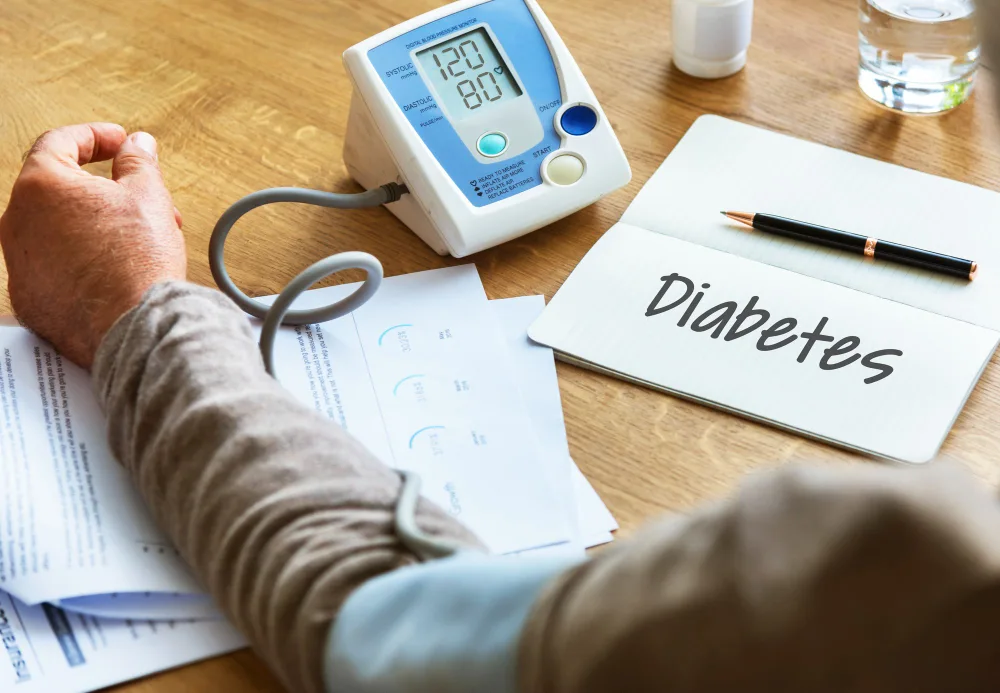
Psoriasis is also linked to a higher risk of metabolic conditions such as diabetes. Our guide to Ayurveda treatment for diabetes explains how Ayurveda supports healthy metabolism.
Ayurvedic Understanding of Psoriasis (Kitibha Kushta)
Ayurveda groups all skin diseases under the broad term Kushta. Classical texts describe psoriasis most closely as Kitibha Kushta or Ekakushta, both minor skin conditions (Kshudra Kushta). Kitibha Kushta presents with the following features:
- Dark or reddish, rough patches
- Hard, thickened skin
- Dry, scaly lesions
- Intense itching
- A recurring pattern of flare-ups
Role of Vata, Pitta and Kapha Doshas
Ayurveda links psoriasis mainly to an imbalance of Vata and Kapha doshas, with Pitta often involved during flare-ups.
- Vata: Causes dryness, roughness and scaling of the skin
- Kapha: Causes thickening, itching and raised patches
- Pitta: Causes redness, burning and inflammation
Ama and Its Association with Skin Health
Ayurveda holds that weak digestive fire (Agni) leads to the build-up of undigested toxins called Ama. These toxins are believed to enter the blood (Rakta) and deeper tissues, where they disturb skin health. Clearing Ama and strengthening Agni therefore form a central part of Ayurvedic skin care.
Ayurvedic Perspective on Skin Imbalance
According to Ayurveda, common causes of skin imbalance include:
- Incompatible food combinations (Viruddha Ahara), such as fish with milk
- Excess intake of salty, sour, fried and fermented foods
- Irregular meal times and eating before the previous meal is digested
- Suppressing natural urges
- Daytime sleep after heavy meals
- Chronic stress and emotional strain
This traditional framework complements, rather than replaces, a medical diagnosis. For other skin concerns, see our guide to Ayurveda treatment for skin problems.
Ayurvedic Treatment for Psoriasis in Kerala
Psoriasis treatment in Ayurveda aims to cleanse accumulated toxins, balance the doshas and support healthy skin renewal. At Back to Roots Ayurveda, our physicians combine four elements into a single, personalised plan:
- Panchakarma therapies: Cleansing procedures that remove Ama and balance the doshas
- Internal medicines: Classical formulations that support blood purification and digestion
- External applications: Medicated oils and pastes that soothe scaling and itching
- Diet and lifestyle guidance: Daily habits that reduce triggers and prevent flare-ups
Explore our full range of Ayurveda treatments in Kerala to learn more about our approach.
Panchakarma Therapies for Psoriasis Management
Ayurveda considers cleansing (Shodhana) essential in long-standing skin conditions. Our physicians assess each patient’s strength and skin condition before recommending any procedure. The Panchakarma therapies commonly used for psoriasis include:
- Snehapana: Internal intake of medicated ghee to prepare the body for cleansing
- Vamana: Therapeutic emesis that clears excess Kapha
- Virechana: Therapeutic purgation that clears excess Pitta and toxins
- Raktamokshana: Controlled bloodletting, often with medicinal leeches (Jalaukavacharana), to purify the blood
- Takradhara: A continuous stream of medicated buttermilk poured over the forehead or body to calm stress and soothe the skin
Early research shows promise. A comparative clinical study of 60 patients found that both Virechana and leech therapy, combined with an herbal decoction, helped reduce psoriasis symptoms.
Read more about the benefits of Panchakarma and what to expect from Panchakarma cost in Kerala.
Ayurvedic Herbal Medicines and Formulations
There is no single best Ayurvedic medicine for psoriasis. Our physicians prescribe Ayurvedic medicine for psoriasis only after a detailed assessment of the individual’s doshas, digestion and skin condition. Commonly used formulations include:
- Mahatiktakam Kashayam
- Mahatiktaka Ghritam
- Aragwadhadi Kashayam
- Patolakaturohinyadi Kashayam
- Manjishthadi Kashayam
- Guggulutiktakam Kashayam
Disclaimer: Always take Ayurvedic medicines for psoriasis under the guidance of a qualified Ayurvedic physician, and inform your doctor about any other medicines you take.
External Applications and Ayurvedic Oils for Psoriasis
External applications soothe dryness, reduce scaling and calm itching. A suitable Ayurvedic oil for psoriasis is chosen according to the type and location of the patches. Commonly used preparations include:
- Dinesavalyadi Thailam: A traditional Kerala oil widely used for scaly skin conditions
- Durvadi Thailam: Traditionally used to soothe itching and inflammation
- Nalpamaradi Thailam: Traditionally used to support healthy skin texture and tone
- Medicated herbal pastes (Lepa): Applied over thick patches to soften scales
Your physician advises the right oil, the method of application and how long to leave it on the skin.
Personalised Ayurvedic Treatment Approach
Every patient with psoriasis presents differently. The type of psoriasis, affected areas, triggers, digestion and stress levels all vary. Our physicians review each of these factors, along with any current medical treatment, before preparing a plan. This approach keeps treatment safe and suited to the individual.
Why Choose Kerala for Ayurvedic Psoriasis Treatment?
Kerala has a long and unbroken tradition of classical Ayurveda. Its physicians, therapies and herbal preparations are known across India and abroad. For a condition like psoriasis, which needs structured cleansing and consistent care, Kerala offers a natural setting for treatment.
Traditional Ayurvedic Treatment Practices
- Classical Kerala therapies: Procedures such as Takradhara and medicated oil applications developed through generations of practice
- Traditional formulations: Kashayams, ghritams and thailams such as Dinesavalyadi Thailam that are rooted in Kerala’s Ayurvedic tradition
- Experienced physicians: Doctors trained in classical texts and the Kerala style of treatment
- Skilled therapists: Trained staff who perform therapies with consistency and care
When comparing Ayurvedic hospitals in Kerala, look for qualified physicians, hygienic therapy rooms and personalised treatment plans.
Personalised Care and Wellness Environment
Stress is a common trigger for psoriasis flare-ups. A calm, supportive setting helps the body and mind respond better to treatment. At Back to Roots Ayurveda, we offer:
- Personalised treatment plans: Therapies, medicines and diet tailored to each patient
- A peaceful retreat setting: A quiet environment that supports rest and recovery
- Guided daily routine: Regular meals, sleep and gentle activity during the treatment period
- Diet and lifestyle education: Practical guidance to help maintain results after treatment
For simple daily practices that support skin and overall health, see our Ayurvedic health tips.
How Long Does Ayurvedic Treatment for Psoriasis Take?
The duration of treatment depends on the type of psoriasis, the extent of the patches, how long the condition has been present and how consistently the plan is followed. Treatment usually progresses in stages:
- Assessment and preparation: A detailed consultation followed by preparatory therapies and digestive correction
- Cleansing phase: Panchakarma procedures such as Vamana, Virechana or Takradhara, typically carried out over a few weeks under supervision
- Healing phase: Internal medicines and external oils continued for several weeks to months
- Maintenance phase: Diet, lifestyle and stress management to reduce future flare-ups
Many people notice gradual improvement in itching and scaling during the treatment period. Lasting results depend on following the diet and lifestyle advice after treatment ends.
When to Seek Medical Attention
Consult a doctor promptly if you notice any of the following:
- Pain, stiffness or swelling in the joints, which may indicate psoriatic arthritis
- Skin that quickly turns red and develops pus-filled bumps
- Widespread redness across most of the body
- Fever, chills or a fast heartbeat along with a skin flare-up
- Signs of skin infection, such as oozing, warmth or increasing pain
- No improvement, or side effects, with current treatment
Do not stop any prescribed psoriasis medicine without your doctor’s advice.
Our clinic also supports other long-term health concerns, including asthma and varicose veins.
Book Your Ayurvedic Psoriasis Treatment Today
If you are looking for a personalised approach to psoriasis care, our physicians can curate a plan that suits your needs.
Book a consultation for psoriasis treatment in Ayurveda in Kerala. Call or message us today to speak with our Ayurvedic physicians.
FAQs
1. What is the best Ayurvedic treatment for psoriasis in Kerala?
The most effective approach is a personalised plan that combines Panchakarma therapies such as Virechana and Takradhara, internal medicines, external oils and diet correction. At Back to Roots Ayurveda, our physicians design each plan after a detailed consultation.
2. Can Ayurveda help manage psoriasis symptoms?
Ayurveda can help manage psoriasis symptoms such as itching, scaling and dryness by clearing toxins, balancing the doshas and correcting diet and lifestyle. Results vary from person to person, and scientific research is still limited, so Ayurveda works best alongside regular medical follow-up.
3. Which Ayurvedic medicines are commonly used for psoriasis?
Physicians commonly use formulations such as Mahatiktakam Kashayam, Mahatiktaka Ghritam, Aragwadhadi Kashayam and Manjishthadi Kashayam. The choice depends on the individual’s doshas and skin condition, so these medicines should be taken only under a physician’s guidance.
4. Is Panchakarma beneficial for psoriasis?
Panchakarma may benefit selected patients with psoriasis when recommended by a qualified physician. Therapies such as Vamana, Virechana, Raktamokshana, and Takradhara aim to clear toxins and calm the skin. The physician decides suitability after a full assessment.
5. Which Ayurvedic oil is used for psoriasis?
Dinesavalyadi Thailam is one of the most widely used Ayurvedic oils for psoriasis in Kerala. Durvadi Thailam and Nalpamaradi Thailam are also used, depending on the type and location of the patches. A physician should advise the right oil for your skin.
6. How long does Ayurvedic treatment for psoriasis take?
The duration depends on the severity and duration of the condition. Panchakarma usually takes a few weeks, followed by several weeks to months of internal medicines, external applications and lifestyle changes.
7. Can psoriasis be completely cured through Ayurveda?
There is no proven psoriasis cure in Ayurveda or in any other system of medicine. Ayurvedic care aims to reduce flare-ups, ease symptoms and lengthen periods of clear skin. Consistent diet and lifestyle habits help maintain these results.
Disclaimer: This content is for general education only and does not replace professional medical advice, diagnosis or treatment. Always consult a qualified doctor before starting any medicine or therapy.